Table of Contents
Studio headphones are one of the most personal and impactful purchases you will make for your home studio. Unlike consumer headphones that color the sound for enjoyment, studio headphones aim for accuracy, revealing the true character of your recordings and mixes. The choice between open-back and closed-back designs is the first and most important decision you face.
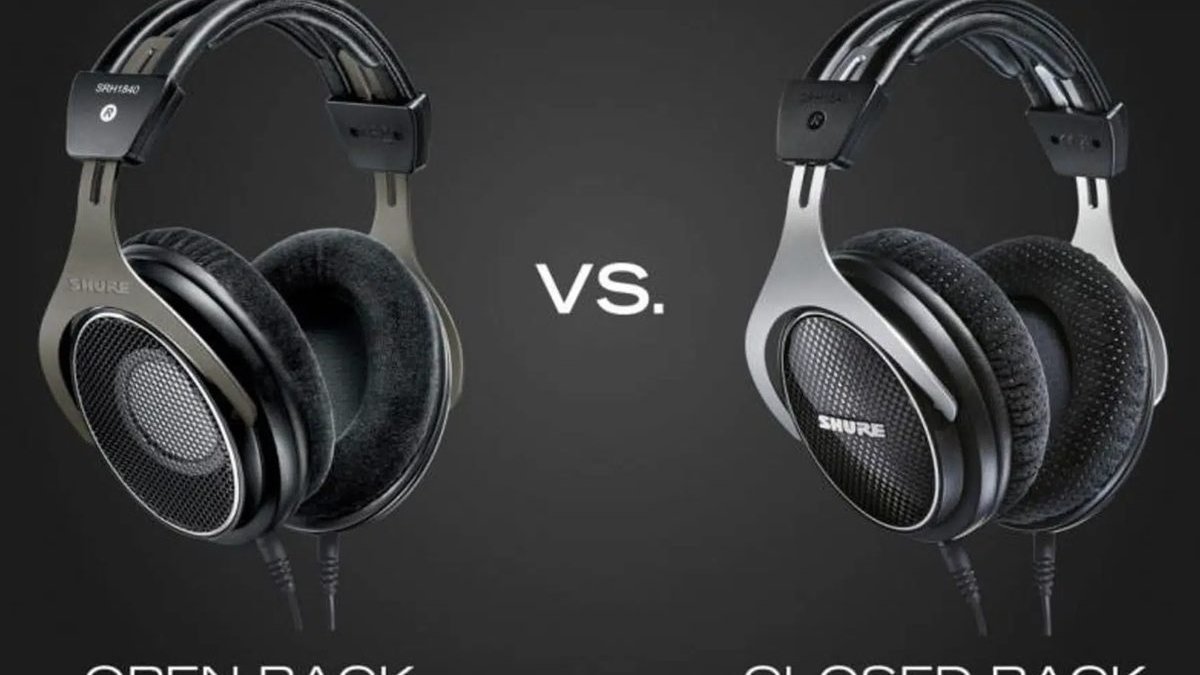
Each design serves a fundamentally different purpose. Open-back headphones deliver superior soundstage and natural frequency response, making them ideal for critical mixing and mastering decisions. Closed-back headphones provide isolation, preventing sound from leaking out and blocking ambient noise, making them essential for recording sessions. Many producers end up owning both types, but if you are starting with one, understanding the trade-offs ensures you choose the right tool for your primary workflow.
Key Takeaways
- Open-back headphones offer superior soundstage and natural bass response for mixing and mastering.
- Closed-back headphones provide isolation needed for recording vocals and acoustic instruments.
- Impedance and sensitivity determine whether you need a dedicated headphone amplifier.
- Beyerdynamic DT 770 Pro (closed) and DT 990 Pro (open) are industry standards at accessible prices.
- Most home studios benefit from owning one pair of each type for different tasks.
Open-Back Headphones Explained
Open-back headphones feature perforated ear cups that allow air to pass through the driver enclosure. This design has profound acoustic consequences. The rear of the driver diaphragm is not sealed, so sound waves escape freely rather than bouncing around inside a sealed chamber. This eliminates the pressure buildup that causes the exaggerated bass response common in closed-back designs. The result is a more natural, airy sound with superior stereo imaging and depth.
The open design also reduces standing waves and reflections inside the ear cup, which means the frequency response tends to be flatter and more accurate. This is why virtually all professional mastering engineers use open-back headphones for critical listening. The soundstage feels wider and more three-dimensional, making it easier to place instruments in the stereo field and judge reverb tails, panning, and depth.
However, open-back headphones have two significant drawbacks. First, they leak sound substantially. Anyone within a few feet can hear what you are listening to, making them unsuitable for recording situations where microphone bleed is a concern. Second, they provide virtually no ambient noise isolation. You will hear air conditioning, traffic, and room noises, which can be distracting in less-than-ideal environments.
Closed-Back Headphones Explained
Closed-back headphones seal the ear cup completely, creating an enclosed chamber around the driver. This design serves two practical purposes: it prevents sound from escaping and it blocks external noise from entering. When you are recording vocals or acoustic instruments, closed-back headphones allow the performer to hear the backing track without the sound bleeding into the recording microphone. This isolation is essential in any recording scenario.
The sealed enclosure also affects the frequency response. Closed-back designs typically produce a more pronounced bass response due to the pressure buildup inside the ear cup. Some engineers consider this coloration a drawback for mixing, but others appreciate the extra low-end energy for tracking bass players and drummers who need to feel the groove. Modern closed-back designs have improved significantly, with many models achieving remarkably neutral response for their category.
Comfort considerations differ as well. Closed-back headphones tend to make ears warmer during extended sessions because the sealed cups trap heat and moisture. Premium models address this with breathable velour ear pads and pressure-relieving headband designs, but heat buildup remains a factor for long mixing sessions. The clamping force also tends to be slightly higher on closed-back models to maintain the acoustic seal.
Open-Back vs Closed-Back: Direct Comparison
| Factor | Open-Back | Closed-Back |
|---|---|---|
| Soundstage | Wide, natural, three-dimensional | More intimate, narrower |
| Bass Response | Tighter, more accurate | More pronounced, sometimes boomy |
| Sound Leakage | Significant | Minimal |
| Noise Isolation | Very low | Good to excellent |
| Best For | Mixing, mastering, critical listening | Tracking, recording, portable use |
| Heat Buildup | Less | More |
| Price Range | $80 - $2,000+ | $60 - $1,500+ |
Top Models for Every Budget
Budget (Under $150)
Open-Back: Samson SR850 — At around $50, these offer remarkable value with semi-open design, decent soundstage, and surprisingly accurate response for the price. The build quality is adequate for home use but not road-worthy.
Closed-Back: Audio-Technica ATH-M20x — The entry point to Audio-Technica's revered M-series. It delivers the signature clarity and detail of its more expensive siblings with a focus on accurate midrange. At $69, it is the best budget closed-back for recording.
Closed-Back: Sony MDR-7506 — A studio legend that has been in continuous production since 1991. These are the most common headphones found in broadcast and recording studios worldwide. The sound is detailed and slightly hyped in the high end, which helps with hearing sibilance and detail. They fold flat for portability. Around $99.
Mid-Range ($150 - $400)
Open-Back: Beyerdynamic DT 990 Pro — The open-back counterpart to the legendary DT 770. The 990 Pro delivers a spacious soundstage with detailed highs and present bass. The velour ear pads are exceptionally comfortable for long sessions. At 250 ohms, you need a decent headphone amplifier to drive them properly. Around $169.
Open-Back: Sennheiser HD 560S — Sennheiser's entry into reference-grade open-back monitoring. The HD 560S offers a remarkably neutral frequency response with extended bass that stays tight and controlled. The lightweight design and oval ear cups provide excellent comfort. At 120 ohms, they work well with most audio interfaces without an external amp. Around $199.
Closed-Back: Beyerdynamic DT 770 Pro — The industry standard for closed-back studio headphones. The 770 Pro offers exceptional isolation, detailed sound, and build quality that lasts for decades. The ear pads and headband are replaceable, making these a long-term investment. Available in 32, 80, and 250 ohm versions. The 80 ohm version is the sweet spot for home studio use. Around $159.
Premium ($400+)
Open-Back: Sennheiser HD 600 — A reference-class headphone that has set the standard for neutral monitoring for over 25 years. The HD 600 delivers exceptionally flat frequency response with no artificial coloring. The soundstage is precise and detailed, revealing mix flaws that lesser headphones mask. These are the headphones many professional mastering engineers choose for final checks. Around $499.
Open-Back: Beyerdynamic DT 1990 Pro — Beyerdynamic's flagship open-back model with Tesla driver technology. It delivers incredible detail retrieval, a wide soundstage, and punchy, well-controlled bass. The detachable cable and included two sets of ear pads (analytical and balanced) make it versatile for different monitoring tasks. Around $599.
Closed-Back: Neumann NDH 20 — Built by the legendary microphone manufacturer, these closed-back headphones deliver stunning accuracy with isolation. The frequency response is remarkably flat for a closed-back design, making them suitable for both tracking and critical mixing. The build quality is exceptional, with a metal frame and genuine leather ear pads. Around $649.
How to Choose Your First Pair
Start by identifying your primary use case. If you record vocals, acoustic instruments, or voiceovers, get closed-back headphones first. The isolation they provide is essential for clean recordings. The Beyerdynamic DT 770 Pro is the safe choice here — it has been the studio standard for decades for good reason.
If you produce electronic music, compose with virtual instruments, or mix tracks entirely in the box, open-back headphones will serve you better. The natural soundstage and accurate frequency response help you make better mixing decisions. The Sennheiser HD 560S offers the best price-to-performance ratio for this use case.
Consider your audio interface. Many budget interfaces have headphone outputs that struggle with high-impedance headphones (above 150 ohms). If you choose high-impedance models like the Beyerdynamic DT 990 Pro (250 ohm), you may need an external headphone amplifier. The 32 or 80 ohm versions of the same headphones work fine with most interfaces.
Try before you buy if possible. Headphone comfort is highly personal, and what fits one person perfectly may cause discomfort for another after an hour. Pay attention to clamping force, ear pad material, and overall weight. Velour ear pads are generally more comfortable for long sessions than pleather, though they offer less isolation.
Spec Verification Checklist
| Spec | What to Look For | Why It Matters |
|---|---|---|
| Impedance | 32-80 ohm for interface use; 250+ ohm with dedicated amp | Lower impedance = easier to drive; higher = needs more power |
| Sensitivity | 96 dB SPL/mW or higher | Determines how loud the headphones get with limited power |
| Frequency Response | 20 Hz - 20 kHz minimum | Should cover the full range of human hearing |
| Cable | Detachable, 3m minimum length | Detachable cable is the most common failure point — replacement saves the headphones |
| Ear Pads | Replaceable, velour for comfort | Non-replaceable pads mean buying new headphones when they wear out |
Frequently Asked Questions
Can I use open-back headphones for recording vocals? It is not recommended. The sound leaking from open-back headphones will bleed into your microphone, causing an audible backing track in your vocal recording. Use closed-back headphones for any recording situation where a microphone is live.
Do I need a headphone amplifier for studio headphones? It depends on the impedance. Headphones under 80 ohms typically work fine with the headphone output on most audio interfaces. Headphones above 150 ohms benefit from or require a dedicated amplifier to reach reasonable listening levels without distortion.
Which is better for mixing music? Open-back headphones are generally preferred for mixing because they offer a wider soundstage and more accurate frequency response. However, many engineers check their mixes on both types to ensure translation across different playback systems.
Key Stat: Open-back headphones offer a wider soundstage and more accurate frequency response for mixing. Closed-back headphones are better for recording and portability. Many engineers check mixes on both types.